How a Pie Shop Wins Hearts With Every Slice
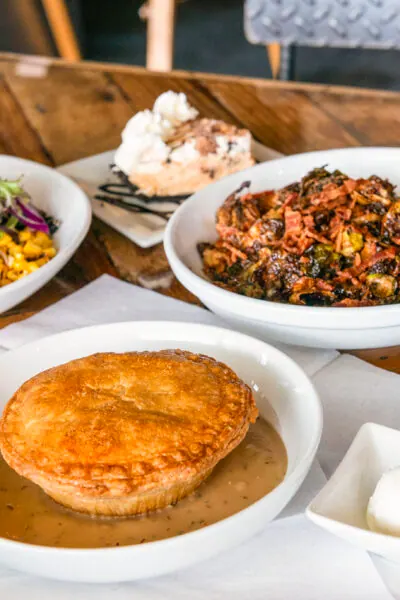
A good pie shop sells dessert. A great pie shop sells reassurance, ritual, and a small, edible form of trust.
That may sound lofty for something wrapped in butter and fruit, but anyone who has worked a bakery counter or watched regulars file in at 7:15 on a rainy Thursday knows it is true. People do not return to a pie shop only because the crust is flaky, though that matters. They return because the place gives them a feeling they want again. It might be warmth after a hard morning, a reliable host gift on the way to dinner, or the memory of a grandmother who rolled dough on a scarred wooden table. Pie carries more emotion than most foods, and the shops that understand that tend to outlast the ones that chase novelty alone.
Winning hearts in this business is rarely about one big masterstroke. It comes from a hundred small decisions made well, day after day. The fruit is ripe, not just available. The slice is cut cleanly. The coffee is hot enough. The person at the register notices that a customer who usually buys apple has switched to pecan and asks if they are hosting a crowd. These details feel modest in isolation. Together, they create loyalty that a discount cannot buy.
Pie is personal in a way many foods are not
Cake often belongs to milestones. Bread belongs to the daily table. Pie sits in a category of its own. It is celebratory without being formal. It feels generous. A whole pie implies sharing, and even a single slice suggests a pause long enough to enjoy it properly. That emotional weight gives a pie shop a real advantage, but it also raises the stakes.
Customers are not merely comparing sugar, butter, and fruit. They are comparing your cherry pie to the one their aunt made every July. They are bringing your key lime pie to a family meal where one person claims no one can make it right. They are choosing your shop for a birthday, a wake, a school auction, or a thank-you they need to get exactly right. In practical terms, that means consistency matters more than cleverness.
I have seen shops win over skeptical neighborhoods by getting the basics right for months before trying anything flashy. They offered a crisp lattice top, balanced sweetness, and fillings that tasted like the fruit itself rather than jam. They boxed orders neatly, remembered names, and stayed calm during rushes. Nothing about it looked revolutionary. People simply started trusting them. Once that happened, the seasonal specials sold faster, the holiday preorder list grew, and the shop became the place people recommended without being asked.
The first bite begins before the customer enters
When people talk about food businesses, they often jump straight to flavor. That is understandable, but a pie shop starts making its case from the sidewalk.
The window matters. So does the smell, though smell is trickier than many owners assume. Artificial cinnamon pumped into a room is less persuasive than the honest scent of butter browning in the oven and apples softening with spice. A customer can tell the difference, even if they cannot articulate it. Real production creates a kind of low, steady sensory credibility.
Then there is the visual language of the pies themselves. Whole pies displayed with care do more than showcase product. They answer questions before they are asked. Does the fruit filling look vivid or muddy? Is the meringue toasted evenly? Does the cream pie hold its shape? Is the crust pale, or does it have that deep golden finish that signals proper bake time? Customers read these cues quickly. Most never say a word, but they decide plenty based on what they see.
A polished pie shop does not need to be fancy. In fact, too much polish can work against it. Pie responds well to a little humanity. Flour on an apron, a handwritten flavor card, the visible stack of pastry boxes by the register, these details can signal that real work is happening here. The key is that they must feel honest, not staged.
Crust is where affection is earned
Ask ten bakers what makes a memorable pie, and the discussion will quickly turn to crust. It should. Crust is where technique, restraint, and ingredients all become obvious.
A filling can be generous enough to distract from a mediocre shell once or twice. It will not sustain devotion. Customers may not use technical vocabulary, but they know when a crust is tough, gummy, raw at the base, or shattering dry. They know when it tastes of shortening alone rather than butter or another chosen fat used with purpose. They know when the bottom crust disappears under a wet filling because someone rushed the bake.
Great pie shops respect crust as more than a container. They treat it as half the experience. That changes everything from ingredient purchasing to workflow. Butter quality matters. Dough temperature matters. Rest time matters. The thickness of the roll matters. So does the way bakers adapt to humidity, flour variation, and fruit moisture. Anyone who has run pastry production through both August heat and January dry air knows the dough does not behave the same way week to week.
This is where craftsmanship wins hearts quietly. A customer might not praise lamination or discuss gluten development, but they remember how a fork moved through the slice. They remember whether the last bite had structure and flavor or turned to paste. That memory drives repeat business more reliably than marketing copy ever will.
Filling has to taste like the thing it claims to be
It is surprising how many pie shops miss this. Strawberry should taste like strawberry, not red sugar. Pumpkin should taste like squash, warm spice, and dairy in balance, not clove-heavy custard. Chocolate should taste deep and clean, not merely sweet and brown.
Fruit pies in particular reveal whether a shop understands restraint. A peach pie that tastes canned in July is a small tragedy. An apple pie that collapses into beige mush tells customers that the shop values output over judgment. On the other hand, a pie with fruit that still has character, texture, and acidity feels alive. People notice.
There is also an economic angle here. Better filling often costs more to produce because it starts with better raw materials, more trimming, more waste, and tighter timing. Fresh berries are expensive. Good lemons are expensive. Pecans fluctuate wildly in price. A serious pie shop cannot always compete on being the cheapest option, so it has to compete on being worth it. That case is easiest to make when the product tastes unmistakably real.
Seasonality helps. So does honesty. If a berry pie is not at its best in a certain month, smart shops either adjust the recipe, source carefully, or lean into other offerings. There is no shame in saying, in effect, our apple and chess pies are stronger this week than our strawberries. Customers respect discernment.
Hospitality turns a transaction into a habit
You can sell a stranger a slice once with aroma and appearance. You build a following with hospitality.
In a pie shop, hospitality is not elaborate service. It is timing, attentiveness, and emotional intelligence applied in small doses. The person greeting customers should know when to chat and when to simply move the line. They should be able to guide someone choosing a pie for six people versus sixteen. They should know which pies travel well, which need refrigeration quickly, and which slice satisfies a diner who wants something less sweet.
The best counter staff do a kind of quiet translating. They turn vague requests into successful purchases. Someone says, “I need something everyone will like,” and a skilled employee asks two or three sharp questions, not ten wandering ones. Is this after a heavy meal? Do you need it to sit in the car? Any nut allergies? That is not upselling. That is care.
A few habits often separate a beloved pie shop from a forgettable one:
- Staff offer specific guidance instead of generic praise for every flavor.
- Whole pies are boxed so they arrive looking as good as they did in the case.
- Orders are accurate, even during holiday rushes.
- The shop remembers repeat customers without becoming performative about it.
- Problems are fixed quickly, without making the customer work for the remedy.
That last point matters more than many owners realize. Mistakes happen. A pickup ticket gets misplaced. A pecan pie is labeled pumpkin. A preorder is missing whipped cream promised on the phone. Customers do not expect perfection every time. They do expect fairness and composure when things go wrong. A calm correction can actually deepen loyalty, because it shows the shop values the relationship more than the argument.
Familiarity wins, but surprise keeps the room lively
One of the trickier balances in any pie shop is deciding how much to innovate. Too little variety and the case starts to feel static. Too much experimentation and customers lose the comfort they came for in the first place.
The shops that handle this well usually anchor themselves in dependable classics. Apple, pecan, cherry, pumpkin when the season calls for it, perhaps a strong chocolate cream or coconut cream. Those are the emotional center of the menu. Around that center, there is room for movement. Brown butter peach in late summer. Cranberry chess near the holidays. A savory tomato pie at lunch. A buttermilk pie scented with citrus. These variations work best when they still feel like https://knoxhrln937.summitviewdaily.com/posts/why-a-pie-shop-is-the-heart-of-comfort-baking pie, not pastry exercises in search of attention.
There is also wisdom in understanding your neighborhood. A pie shop near offices might sell more individual slices and hand pies at midday, while a suburban location may thrive on whole pies for gatherings and school events. A shop near a farmers market can push seasonal fruit harder because its customers are already primed for produce. A destination bakery can get away with a more adventurous rotating menu because people come expecting discovery.
The trade-off is operational. Every new flavor adds complexity, inventory risk, training needs, and chances for inconsistency. A pie shop does not win hearts by having fifteen options if only six are excellent. Better to run a tighter menu with conviction.
Price is emotional, not just mathematical
People often say customers will pay for quality, and sometimes they do. But that sentence skips the hard part. Customers pay for quality when they can perceive it clearly and trust it will be repeated.
A pie shop has to justify its prices before the first bite and confirm them with the last. Size, ingredients, finish, packaging, and service all contribute to that equation. A ten-dollar slice in a city center may be accepted if it is generous, beautifully made, and served in a setting that feels cared for. The same slice in a different market might feel inflated. Context matters.
What helps most is not apologizing for price, but framing value with confidence. If your sour cherry pie uses expensive fruit and takes real labor, act like that is normal for a serious product. Explain portions honestly. Mention that it serves eight well, or six generously. Offer staff recommendations that fit the occasion instead of steering everyone to the highest ticket. People can feel the difference between guidance and pressure.
There is also a quiet generosity that pays back over time. A tiny extra spoonful of whipped cream. Cleanly cut slices rather than mean, compressed portions. A box sturdy enough that the pie survives the car ride. These gestures do not always cost much. They communicate abundance, and abundance is memorable.
Rituals create regulars
A pie shop becomes part of local life when it gives people repeatable reasons to return. Some of those reasons are seasonal, like holiday preorders, berry season, or the first pumpkin pies of autumn. Others are weekly or even daily.
I have seen shops build strong followings around simple rhythms. Friday whole-pie pickups for weekend dinners. Sunday morning quiche and coffee. A standing winter special where every hot slice comes with a small pour of custard or cream. These are not gimmicks. They are rituals, and rituals are sticky because they reduce decision fatigue. People begin to think, this is what we do on Fridays, this is where I stop before visiting my parents, this is what I bring to book club.
The most effective rituals tend to share a few traits:
- They are easy to remember.
- They fit the natural schedule of customers.
- They are operationally sustainable for the shop.
- They deliver the same pleasure every time.
- They feel earned rather than promotional.
That last distinction matters. Customers can tell when a recurring offer exists because it genuinely suits the business, and when it exists because someone wanted content for social media. A pie shop wins hearts by becoming useful in a warm way, not by shouting constantly for attention.
Community is not branding, it is participation
Many shops talk about community. Fewer participate in it with enough consistency to matter.
A pie shop has unusual potential here because pie shows up wherever people gather. School fundraisers, church suppers, office birthdays, neighborhood potlucks, charity auctions, retirement parties, condolence meals, all of them make sense for this product. If the shop is attentive, these events become not just sales opportunities but relationship builders.
That does not mean giving everything away. Sustainable generosity is smarter than broad, exhausting generosity. Maybe the owner donates a few pies each month to causes they care about. Maybe the shop creates an easy bulk-order process for local events. Maybe staff know which community traditions spike demand and plan accordingly. Maybe the bakery hosts a pie night class in the quiet season, not to chase prestige, but to deepen connection.
What matters is sincerity. People are quick to spot community language used as decoration. They respond differently when the pie shop owner actually knows the school calendar, remembers the annual street fair, or makes sure teachers can grab a quick slice and coffee without waiting behind large preorder pickups.
The holiday rush reveals the soul of the business
If you want to know whether a pie shop truly wins hearts, watch it during the two weeks before a major holiday.
This is when romance gives way to systems. Orders pile up. Customers call in a panic because they forgot to preorder. Delivery apps create noise. Staff are tired. Ingredients run tight. The oven schedule becomes a chess match. Under that pressure, weak businesses become brittle. Strong ones become even more beloved.
The difference usually comes down to planning and communication. A disciplined pie shop knows its capacity. It limits preorder slots before quality slips. It sets pickup windows that match actual throughput. It labels everything clearly and trains staff to move with calm efficiency. It tells late customers the truth rather than making impossible promises. That honesty may lose a sale in the moment, but it protects reputation.
There is a human side too. Holidays are when customers are most emotionally loaded. They are trying to keep family traditions intact. They are feeding extra guests. They are mourning someone who used to bake. The pie itself may be standing in for comfort, continuity, or competence. A little grace goes a long way in that atmosphere.
I remember one shop owner who kept a few unclaimed backup pies on major pickup days, not many, just enough to rescue a handful of desperate people. They were sold first come, first served, no dramatic advertising. Year after year, those saves turned frantic customers into fierce advocates. Not because the pies were free. They were not. Because the shop had anticipated the human messiness built into holiday life.
Reputation grows one story at a time
A pie shop rarely becomes beloved through one campaign. It becomes beloved through stories customers tell each other.
The story might be about the banana cream pie that converted someone who “doesn’t even like pie.” It might be about the owner carrying boxed orders to the car in the rain. It might be about the exactness of the Thanksgiving pickup line, where sixty people were served in half an hour without chaos. It might be about a widow who comes every Tuesday for one slice and one coffee, and the staff already know her order.
These stories travel because they mix product and feeling. Nobody retells a merely adequate experience. They retell moments where care was visible. That is why a pie shop should think of reputation not as image management, but as accumulated evidence. Every box, every phone call, every slice, every correction of a mistake either supports or weakens the case.
This also explains why some modest-looking shops become institutions while prettier competitors fade. The modest shop may have older floors, simpler branding, and fewer flavors, but if it keeps delivering pleasure and steadiness, people become protective of it. They bring their children. They send out-of-town guests. They feel a small sense of ownership over its success. That is when a pie shop stops being just a place to buy dessert and starts becoming part of the local emotional infrastructure.
What customers really mean when they say they love a pie shop
When customers say they love a pie shop, they usually mean several things at once.
They mean the pie tastes good, certainly. They also mean the shop is dependable. They mean it makes gatherings easier. They mean it respects tradition without feeling stale. They mean the people there seem to care whether the pie on the table lands well. They mean the place gives them a little lift.
That is why winning hearts with every slice is not a sentimental slogan. It is a practical standard. It asks the pie shop to align product, service, atmosphere, and judgment so that each customer leaves with more than sugar satisfaction. They leave with confidence that the shop understood the assignment, whether the assignment was dessert for twelve, a quick comfort after work, or a familiar taste on a difficult day.
Plenty of businesses can sell sweetness. A memorable pie shop sells reassurance wrapped in crust, portioned with skill, and handed over with warmth. That combination is harder to pull off than it looks. It is also the reason some shops become woven into the life of a town, one slice at a time.
3.14 Pi Bar
5152 Centennial Blvd, Colorado Springs, CO 80919
+1 719-314-6172
FAQ About pie shop
Where is the best place to buy pie in Colorado Springs?
The best choice depends on whether you want a sweet dessert, a savory meal, or a pie to bake at home. 3.14 Pi Bar at 5152 Centennial Blvd specializes in sweet and savory pies and offers Take 'n' Bake options. Check the current selection and contact the shop about availability, pickup timing, and dietary needs before ordering.
Who makes the best pot pies in Colorado Springs, CO?
Preferences vary by filling, crust, and portion size. 3.14 Pi Bar offers hearty savory pot pies alongside its sweet pies. Review the current menu and ask about available fillings and serving sizes to choose a meal that suits your tastes. Specific varieties may change.
Who has the best apple pie in Colorado Springs?
Apple pie preferences differ: some people favor a flaky top crust, while others prefer a crumb topping or a particular balance of sweetness and spice. 3.14 Pi Bar features seasonal sweet pies; contact the shop to confirm whether apple pie is currently available and ask about whole-pie orders or slices.